
Over the past month I’ve had the privilege of sitting with a number of Schools of Leadership Excellence as we’ve worked through their student leadership audits.
Different contexts.
Different leadership structures.
Different communities.
But interestingly, the same ideas keep emerging as the most powerful refinements schools can make.
None of these changes are dramatic.
But when implemented well, they can significantly strengthen a school’s student leadership process.
Here are four key lessons emerging from these leadership audits that you might find helpful at your school...
1. Make the Selection Criteria the Backbone of the Entire Process
Not just a paragraph on a nomination form.
The strongest schools ensure their leadership criteria are consistently reinforced by:
• Sharing them before nominations open
• Including them on nomination forms
• Referencing them on voting or endorsing forms
• Using them during interviews
• Restating them when leaders are announced
When the criteria are clear and consistently applied, leadership becomes:
• Transparent
• Defensible
• Values-aligned
And complaints about the process tend to disappear.
2. Move from “Votes Decide” to “Votes Inform”
Many schools rely heavily on voting data. But the strongest processes treat voting as one data point, not the only data point.
Strong leadership selection also considers:
• Teacher insights
• Long-term behaviour and character
• Attendance and commitment
• Historical contribution to the school
When schools make it clear that votes inform decisions rather than dictate them, something important happens.
Popularity contests decrease.
Teacher confidence increases.
Trust in the process improves.
3. Move from General Roles to Focused Leadership Portfolios
One of the most common challenges I see is this:
Students receive a leadership badge… but they’re not entirely sure what they’re supposed to do.
The schools making the biggest improvements are shifting from broad titles like “prefect” or “captain” toward focused leadership portfolios, such as:
• Environment
• Culture
• Community
• Learning
• Wellbeing
• Sport
• Technology
This clarity transforms leadership meetings and ensures students know exactly where they can contribute.
4. Make Leadership Announcements Educative, Not Just Celebratory
Many schools treat leadership announcements like award ceremonies.
But some of the most effective schools use that moment to educate the entire school community.
Instead of simply announcing names, they restate the leadership criteria and connect those qualities to the students being recognised.
This turns the announcement into a cultural moment that teaches younger students what leadership actually looks like.
The Big Theme...
Across all of these audits, one theme keeps appearing:
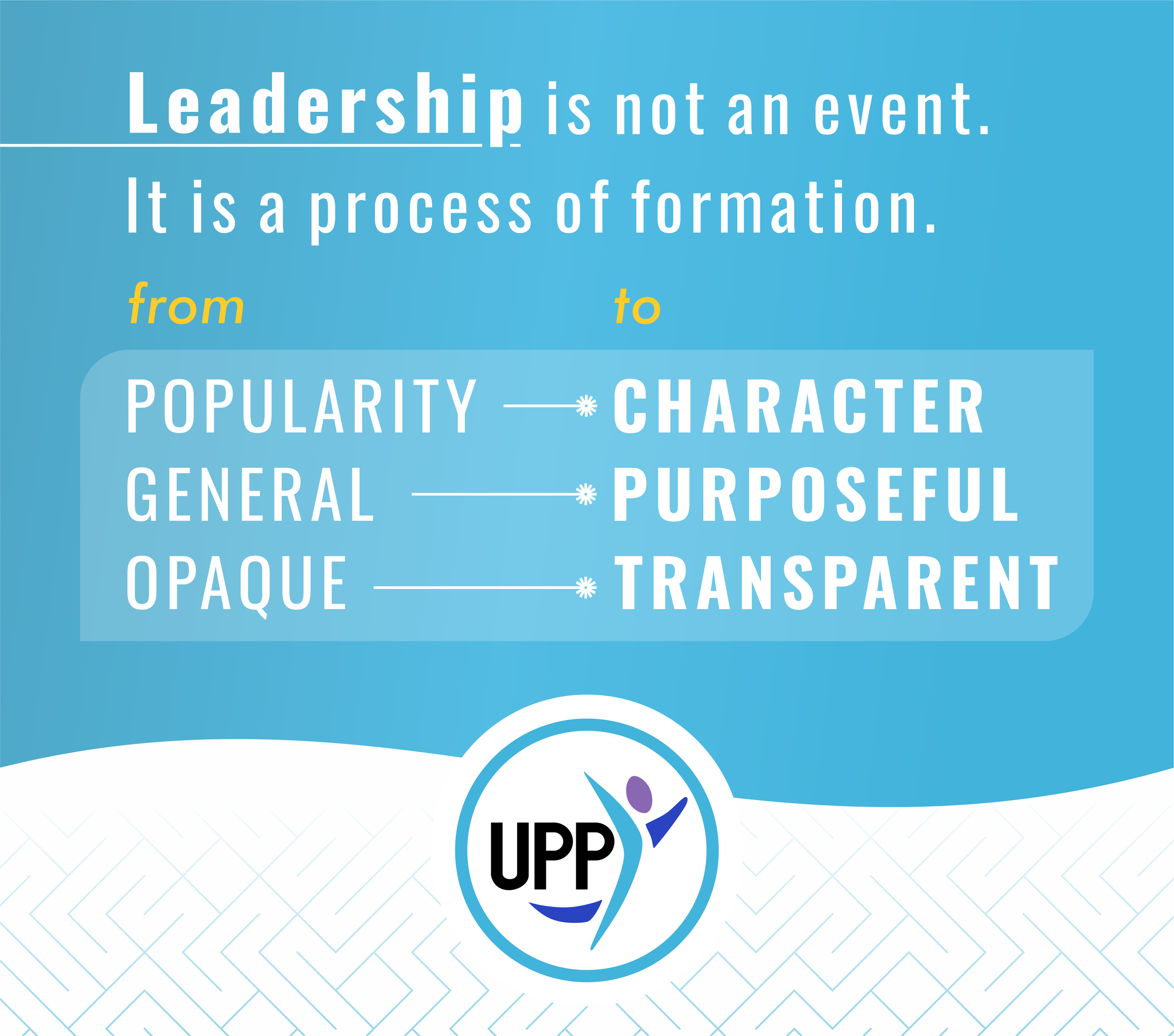
Leadership is not an event. It is formation.
The strongest schools are moving their processes from:
• Event-based → Formation-based
• Popularity-based → Character-based
• Opaque → Transparent
• General → Purposeful
If you’d like support refining your school’s leadership process, our Term 1 intake for Schools of Leadership Excellence is now open.
Through this initiative, we work alongside schools to conduct a structured audit, provide tailored recommendations, and help strengthen leadership systems across the year.
Places are limited to 10 schools per term due to the level of personalised support involved.
You can find out more and register your interest here, while positions are available: